Three things decide how a pair of Ray-Bans fits: the frame size, how much of your face the lenses cover (face coverage), and how the frame rests on your nose (bridge and nose pads).
Frame size
The frame size is the lens width and the bridge width, in millimetres, always in that order. You’ll find them printed on the inside of the temple (the arm), followed by the temple length. For example, RB2140 50□22 150 means a 50 mm lens, a 22 mm bridge and 150 mm temples. Many Ray-Ban models come in more than one size, so the same style can come in, say, a 50 mm and a 54 mm lens.
Tip: the sizes of every frame are listed on its product page. Already know your size? Type it into the search, for example 55-18, to see every frame in that size.
No glasses to compare? Measure with a card
Any bank, debit or loyalty card works, because they are all the same standard size.
- Take a card. A bank, debit or loyalty card.
- Stand in front of a mirror. Hold the card flat and still, with one short edge on the centre of your nose.
- Check where the other edge lands. Where the far edge of the card lines up with your eye tells you your size.
Prefer your phone? Our size checker measures your face with the camera and suggests frames that fit.
Face coverage
Face coverage is about looks rather than comfort: it describes how much of your face the lens front covers. Ray-Ban styles come in three fits:
- Petite: a smaller lens front that covers less of the face.
- Standard: a medium lens front for average coverage.
- Generous: a larger lens front that covers more of the face.
Bridge and nose pads
How the frame sits on your nose makes the biggest difference to comfort.
- High bridge fit: for a high nose bridge and lower cheekbones, roughly when the bridge of your nose sits above the level of your pupils.
- Low bridge fit: for a lower nose bridge and higher cheekbones. Worth choosing if glasses usually slide down your nose, sit too low, or rest on your cheeks.
- Universal fit: suits most face shapes.
- Adjustable nose pads: metal frames with pads that can be bent wider or narrower to suit your nose. Any optometrist can adjust them.
Based on the Ray-Ban size and fit guide: ray-ban.com/usa/c/size-guide
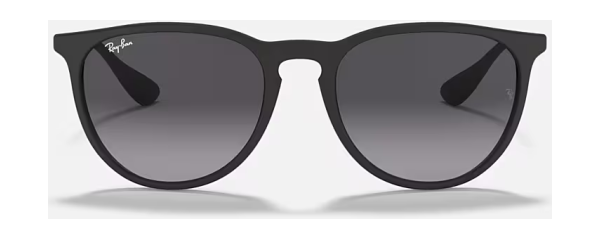 Grey Gradient/Rubber Matte Black
R1,900.00
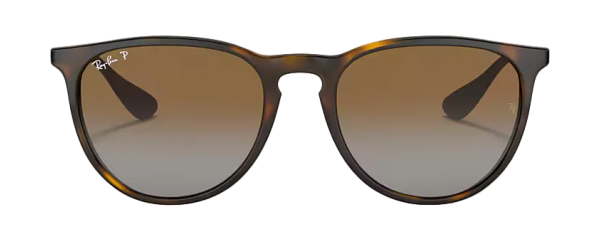 Brown/Polished Light Havana, Polarized
R2,556.00
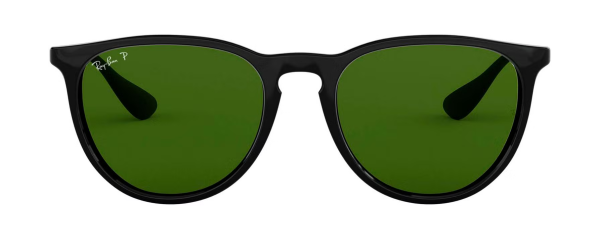 Green Classic G 15/Polished Black, Polarized
R2,199.00
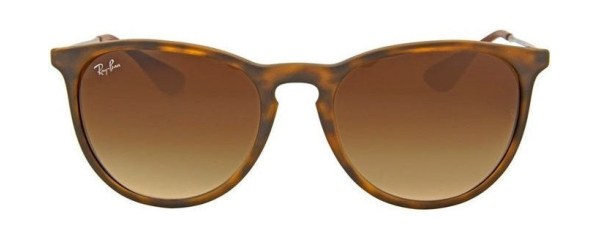 Brown Gradient/Tortoise
R1,948.00
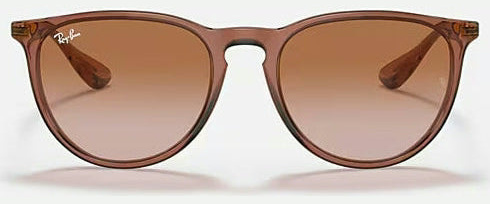
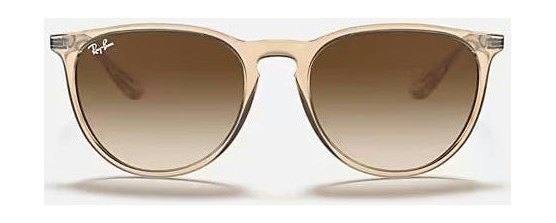 Brown Gradient/Shiny Transparent Brown
R1,996.00
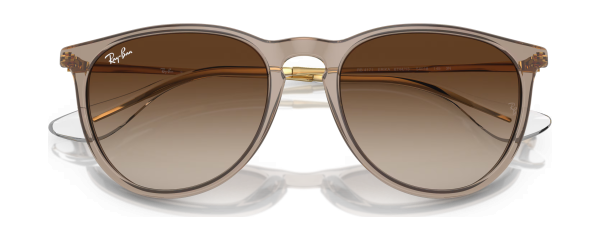 Light Brown/Transparent
R2,297.00
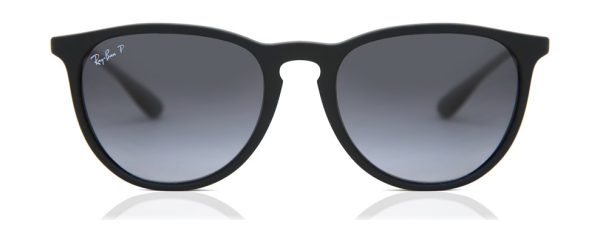 Grey Gradient/Rubber Matte Black, Polarized
R3,080.00
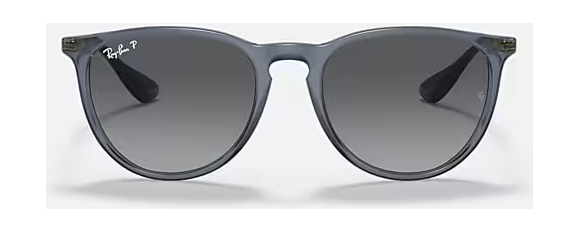 Grey Gradient/Blue
R2,550.00
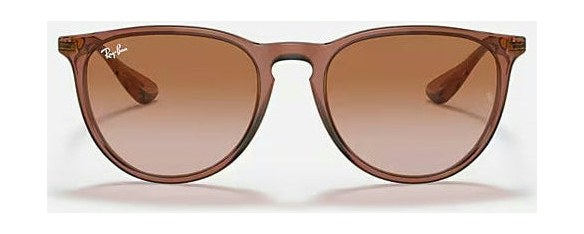 Enquire Brown Gradient/Light Brown
R2,650.00
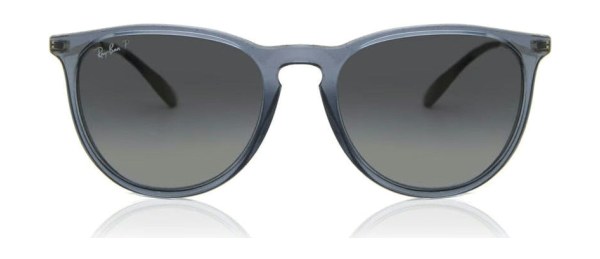 Enquire Gray/Blue, Polarized
R2,550.00
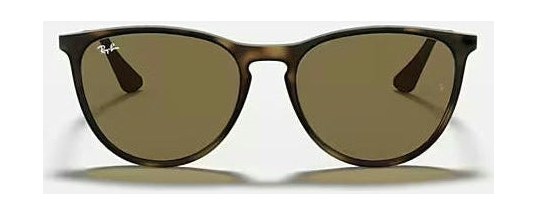 Sale
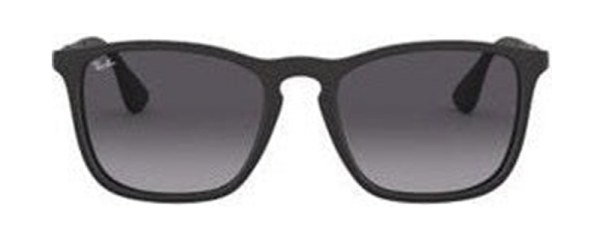 Sale
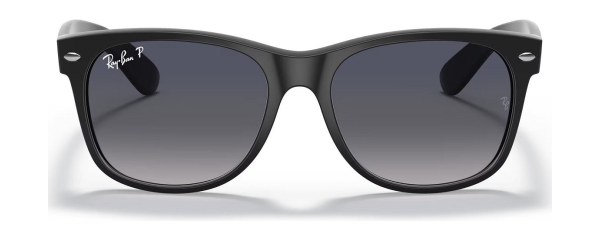
 Sale